

Cartherics joins global cell and gene therapy community at Meeting on the Mesa
Cartherics recently attended the Alliance for Regenerative Medicine’s (ARM) Cell & Gene Meeting on the Mesa in Phoenix, Arizona, from 5 – 7 October 2026. The meeting drew more than 1,500 delegates across the global cell and gene therapy sector, including more than 500 C-suite executives as well as investors from around the world.
Cartherics’ Chief Scientific Officer, Dr Walid Azar, met with potential strategic partners, research collaborators and investors and attended sessions on regulatory pathways, investment, manufacturing and the future of cell and gene therapies.
Key themes from the meeting included:
- Investment is returning. Cell and gene therapy financing passed US$11.3 billion in the first three quarters of 2026, up 43% on the previous year. Major pharmaceutical acquisitions also signalled renewed confidence in the sector.
- The path to the clinic is getting faster. The US Food and Drug Administration (FDA) outlined reforms to speed up early development. These include fewer Phase 1 manufacturing requirements and a new expedited trial-approval pilot open to cell and gene therapies.
- Engineered cell therapies for solid tumours. Speakers from several leading companies said that in vivo CAR-T is not yet ready for solid tumours. Treating solid tumours is expected to require cells with multiple gene edits and added “armouring” against the tumour environment. This is the approach Cartherics is taking with its lead candidate, CTH-401, a stem cell-derived CAR-NK therapy for ovarian cancer that carries two gene deletions designed to help the cells resist tumour defences.
- Interest in platform technologies. Regulators and investors increasingly favour platforms that spread development costs across several products. Cartherics’ induced pluripotent stem cell (iPSC) platform is designed to support multiple cell therapies from a common engineered starting material.
Investors at the meeting were cautiously optimistic. Private deals are closing at reasonable valuations, and the window for public listings is reopening. Their strongest message was to back first-in-class science that addresses unmet need, rather than incremental programs chasing crowded targets.
The meeting highlighted that investors are looking for companies with a clear path to commercialisation and experienced teams to bring products to market. This is relevant to Cartherics’ work in women’s cancers and endometriosis, areas where cell therapy options remain limited.
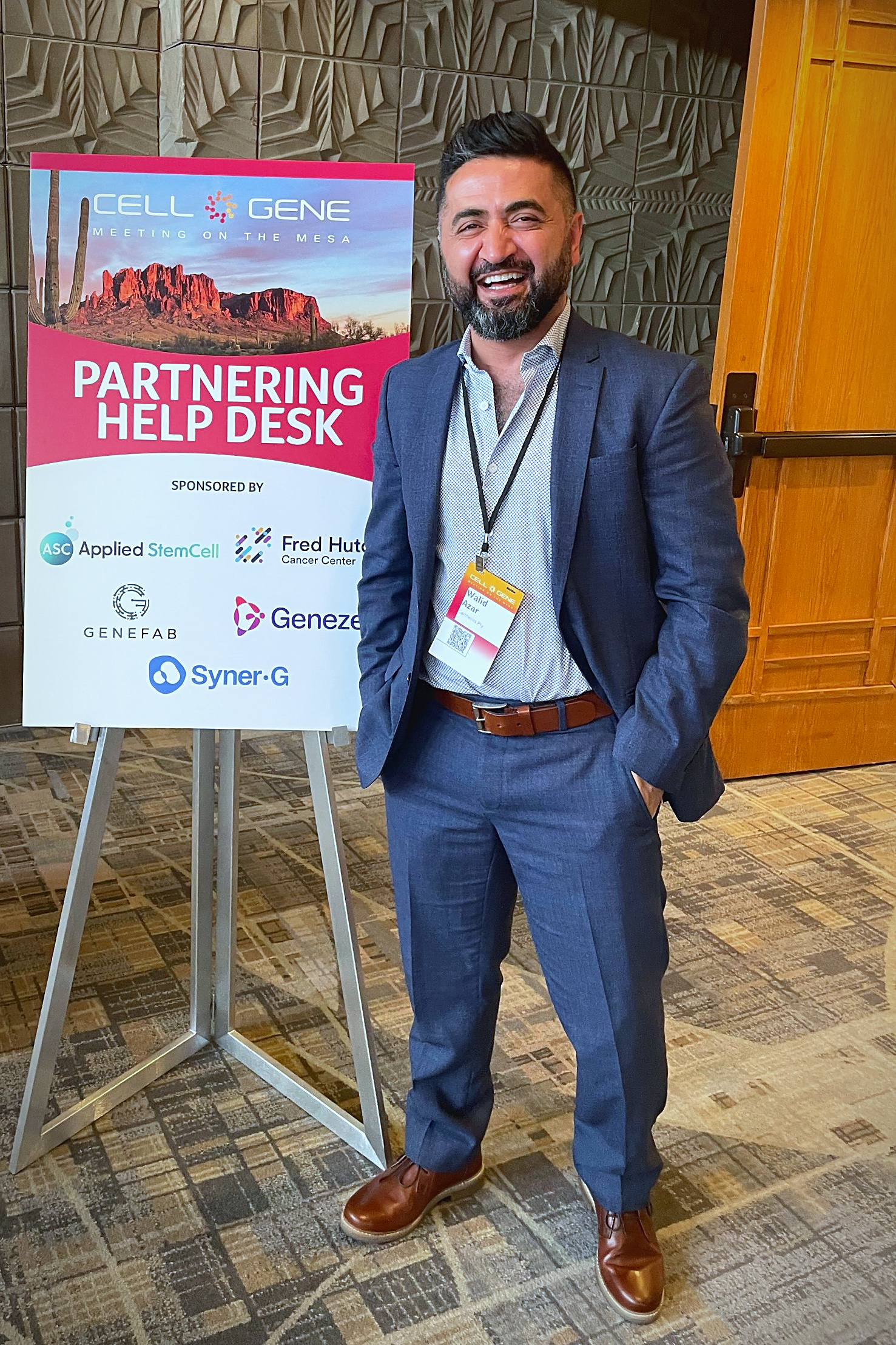
Cartherics CSO, Dr Walid Azar commented: “It was a fantastic meeting, bringing together people from across the sector over three days. I was particularly encouraged to hear the FDA’s new director articulate an open and enabling vision for the sector, and to hear a shared view that ex vivo and in vivo CAR approaches are complementary. Hearing in vivo leaders themselves say that solid tumours still require highly engineered cell therapies was encouraging for Cartherics and the potential of sophisticated ex vivo platforms such as ours.
We came away with new relationships across pharmaceutical companies, investorsand research groups, and a clear sense that first-in-class solid-tumour programs are where the field wants to go. The conversations we started in Phoenix provide a real foundation for partnerships as CTH-401 moves towards the clinic.”
Cartherics looks forward to building international partnerships as it advances CTH-401 towards a first-in-human trial, planned for early 2027 and subject to regulatory approval.